
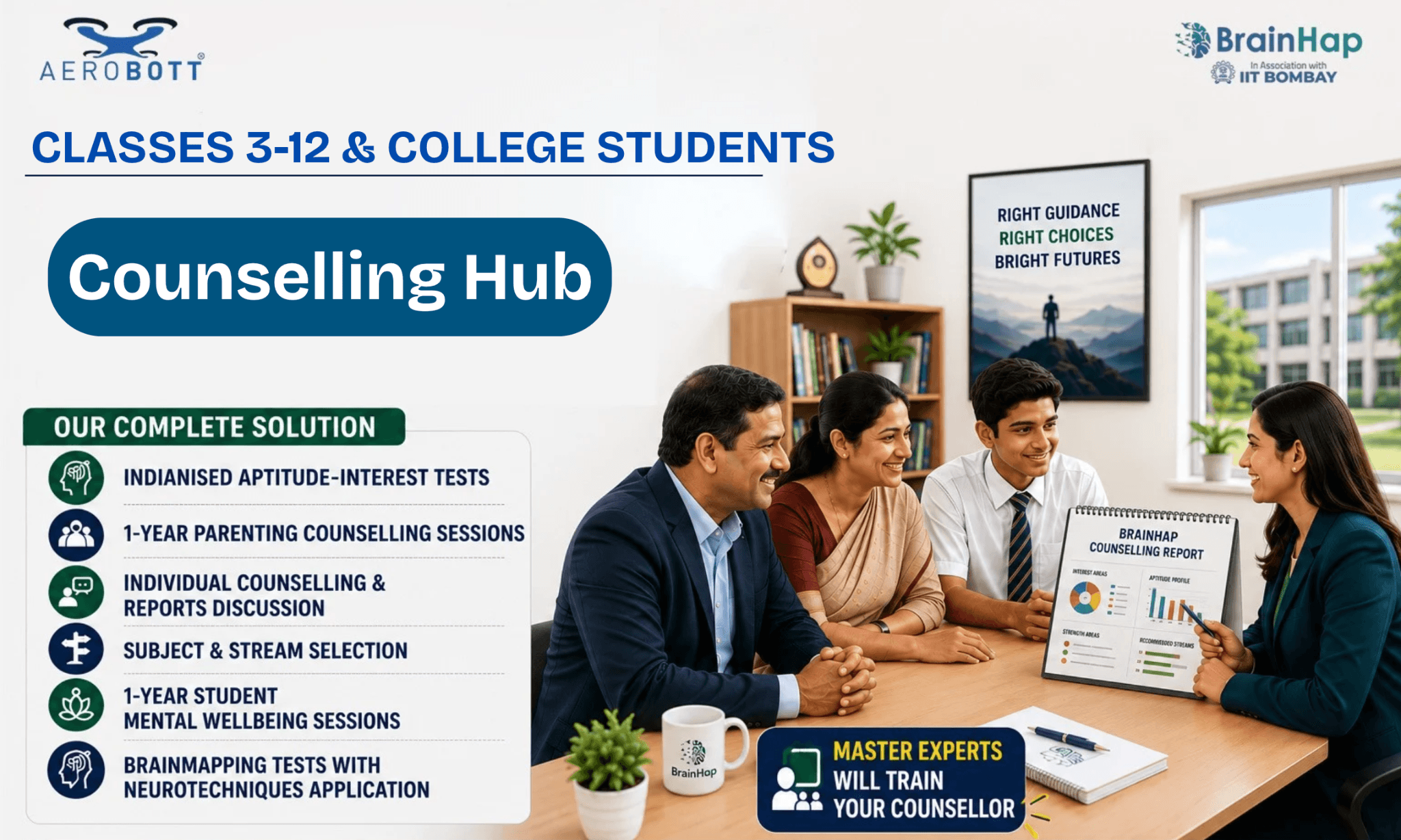
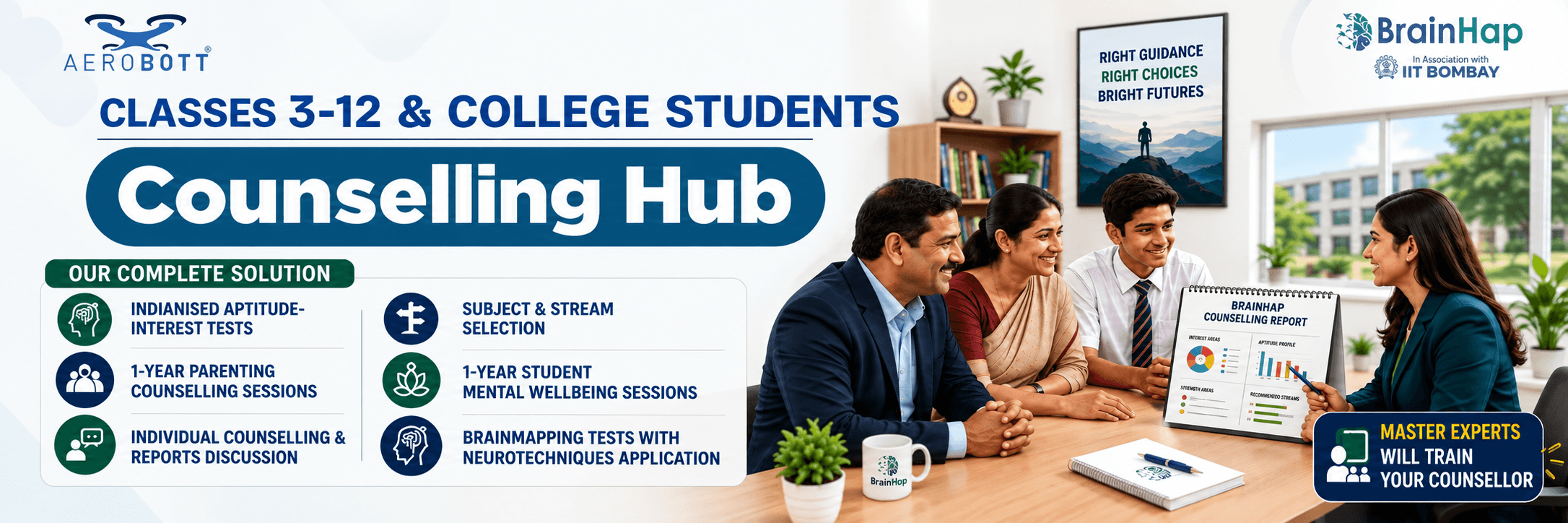


BrainHap Counselling Hub - Classes 3-12 and College Students Complete Solution

Students MIND LAB

BRAINHAP MIND LAB

Classroom-Based
Life-Skills Sessions

Mind Lab upholds the spirit of NEP 2020 and CBSE Kaushal Bodh initiatives. It brings activity-based learning sessions to school classrooms.

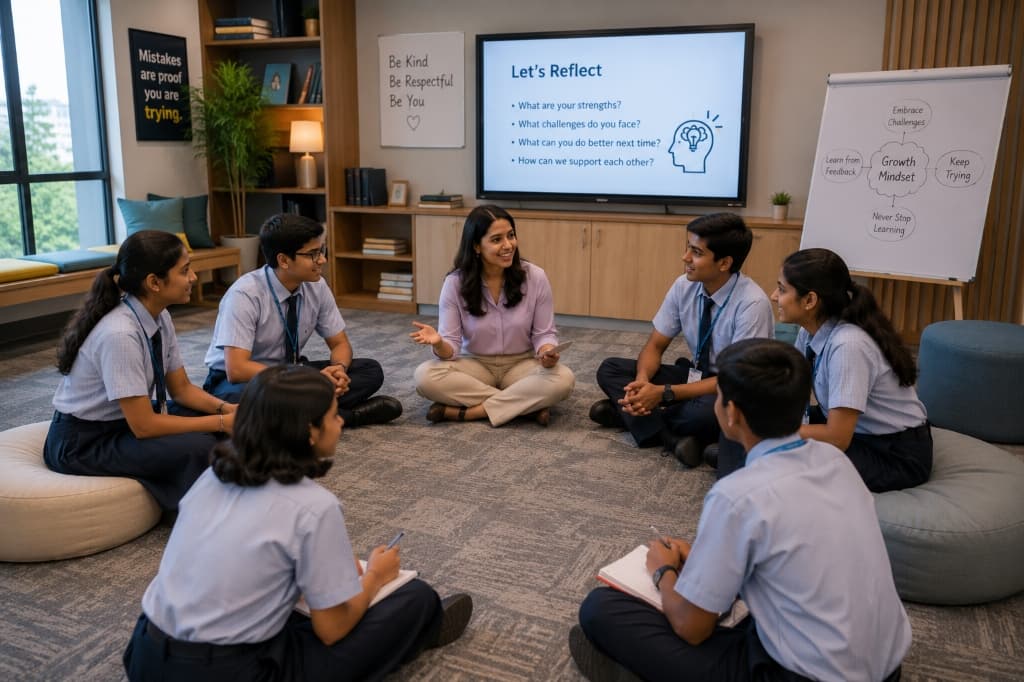
Guided by certified psychologists, students engage in self-reflection, growth mindset challenges, emotional strength building, and leadership training.
Growth Mindset & Academic Success
Critical Thinking and Emotional Strength
Leadership Training and Confidence Building
BrainHap Students Mind Lab Classroom Activity and Psychologist Interaction

Implementation Model for Mind Lab

GUIDE

We assess and guide students to understand their unique strengths and needs.

LEARN

Interactive, activity-based sessions that build essential life skills in a fun and engaging way.

ANALYSE

We circulate impact forms to check how the student’s thinking has evolved with our training.

EMPOWER

Students gain confidence, resilience and the mindset to make better choices and lead a purposeful life.

ROAD MAP: Progress Journey through MINDLAB

Grade 3 to Grade 5 Roadmap

1Value Education

Value Education helps children understand kindness, empathy, honesty, respect and responsibility. These values guide the way they treat themselves, their peers, teachers and the world around them.

2Academic Excellence

Academic Excellence: builds strong communication skills. When children develop good reading habits, vocabulary and writing abilities, they are better able to understand, express and communicate their thoughts and ideas effectively. It builds good focus, attention span and negates the distractions.

3Digital Awareness

Here students learn important aspects of screen, gaming, AI and how to balance it with their family time, co-curricular activities and how to take a healthy break.

4Communication

Here students learn how to communicate effectively, have a growth mindset and learn problem solving skills, leadership skills.

Grade 6 to Grade 8 Roadmap

1Personal Safety

Bullying, Substance Abuse & Peer Pressure

Helps students recognise unsafe situations, understand the impact of peer pressure, seek help when needed, and make choices that protect their physical and emotional well-being.

2Leadership Skills

Communication, Decision-Making & Innovative Thinking

Encourages students to express ideas confidently, take responsibility, work with others, and think creatively when facing challenges.

3Conflict Resolution

Self-Awareness & Problem-Solving

Helps students understand their own emotions and perspectives, listen to others, manage disagreements calmly, and find fair solutions.

4Digital Safety

Screen Safety & AI Safety

Builds awareness of healthy screen habits, online privacy, responsible digital behaviour, and the importance of using AI thoughtfully and safely.

5Growth Mindset

Resilience, Problem-Solving & Healthy Coping

Teaches students to learn from mistakes, bounce back from setbacks, approach challenges positively, and use healthy ways to manage difficult emotions.

6Respectful Individuals

Empathy, Inclusion, Active Listening & Respect for Differences

Helps students appreciate different perspectives, build healthier relationships, communicate respectfully, and create a more supportive and inclusive environment.

Grade 9 and Grade 10 Roadmap

1Safe Boundaries

Handling Peer Pressure & Saying No, clear boundary setting

Helps students stand up for their choices, set healthy boundaries, and avoid being pressured into uncomfortable or risky situations.

2Emotional Regulation

Dealing with Transitions & Goal Setting

Helps students manage change, academic transitions, uncertainty, and emotions while staying focused on what they want to achieve.

3Getting Ready Beyond School

Independence & Life Skills

Prepares students for greater responsibility by developing practical decision-making, self-management, and readiness for the next stage of life.

4Career Clarity

Goal Setting & Career Exploration, decision making

Helps students connect their interests and strengths with realistic goals and begin exploring suitable academic and career pathways.

5Growth Mindset

Resilience & Problem-Solving (learning from setbacks, adapting to challenges, finding solutions, and viewing mistakes as opportunities to learn)

Builds the ability to bounce back from failures, academic setbacks and difficult situations while developing a solution-oriented approach.

Grade 11 to Grade 12 Roadmap

1Identity Building

What the Skill Covers:

Self-awareness & Assertiveness: understanding strengths, values, interests and boundaries; learning to say no, handle peer pressure, and communicate personal choices confidently.

Why It Is Important for Grades 11–12:

Helps students develop a stronger sense of who they are, make choices based on their own values, and avoid being overly influenced by peers.

2Emotional Regulation

What the Skill Covers:

Healthy Coping & Stress Management: identifying emotions, using healthy coping strategies, managing stress and anxiety, and responding rather than reacting.

Why It Is Important for Grades 11–12:

Senior students face academic pressure, relationship concerns, uncertainty and expectations. Emotional regulation helps them handle these challenges without becoming overwhelmed.

3Growth Mindset

What the Skill Covers:

Resilience & Problem-Solving: learning from setbacks, adapting to challenges, finding solutions, and viewing mistakes as opportunities to learn.

Why It Is Important for Grades 11–12:

Builds the ability to bounce back from failures, academic setbacks and difficult situations while developing a solution-oriented approach.

4Mindful Technology

What the Skill Covers:

Using technology mindfully, not relying completely on AI (emotionally), Digital safety. Building a trusted adult, making boundaries for themselves and being responsible in taking it up.

5Career Clarity

What the Skill Covers:

Career Exploration & Career Decision-Making: identifying interests, strengths and abilities; exploring career possibilities; understanding options and choosing a career pathway.

Why It Is Important for Grades 11–12:

Helps students make informed career choices instead of choosing a course or career solely because of peer influence, parental expectations or trends.

Student Mind Lab Guidance

Ready to Empower Your Students?

Implement activity-based Mind Lab life-skills, aptitude tests, and continuous psychologist sessions for Grades 3 to 12.

Progress report:

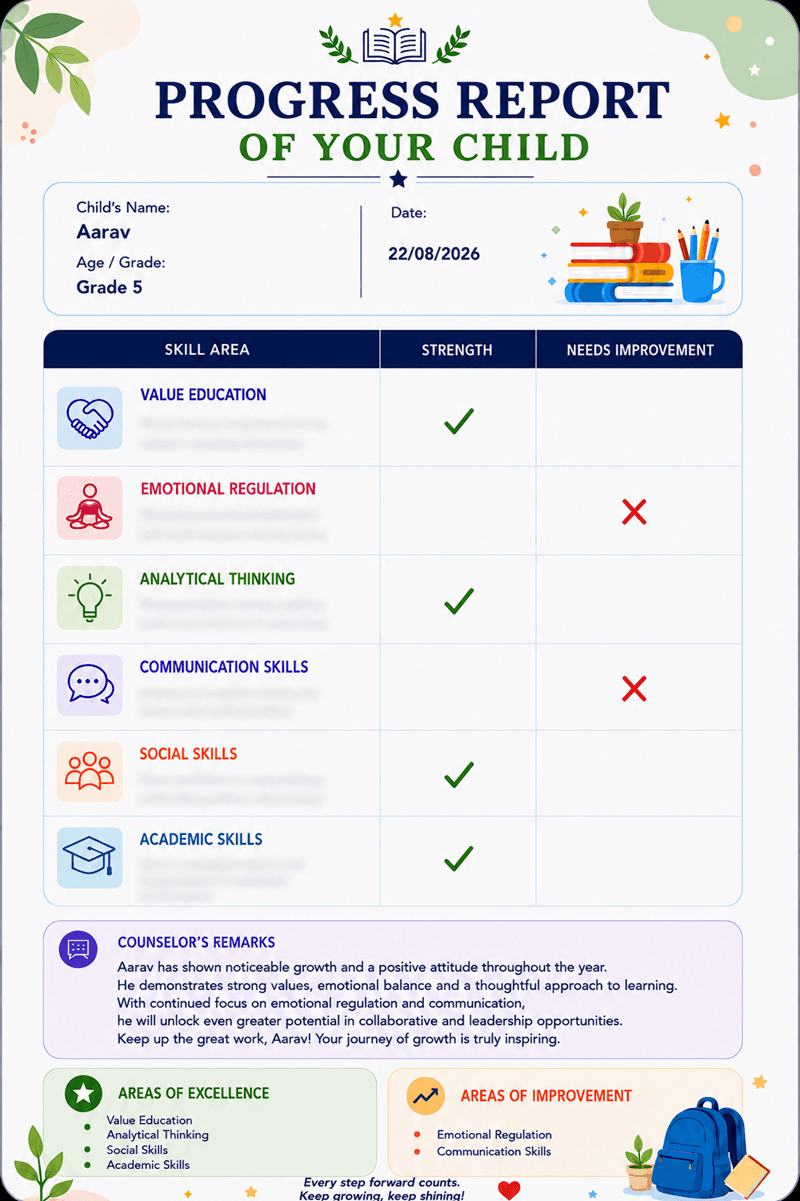
Get your child’s personalized progress report through Mind LAB

Every step of growth matters.

Your child’s progress will be tracked throughout the 12-month programme, based on the sessions and skills covered during the year.

A Pre- and Post-Programme Survey will help us understand your child’s growth, identify areas of improvement, and measure progress across key developmental skills.
BrainHap Mind Lab Personalized Progress Report

PARENTS MIND LAB

Parenting Program with Guided Sessions - BrainHap Mind Lab
MIND LAB - PARENTS EDITION

Parenting Program with Guided Sessions

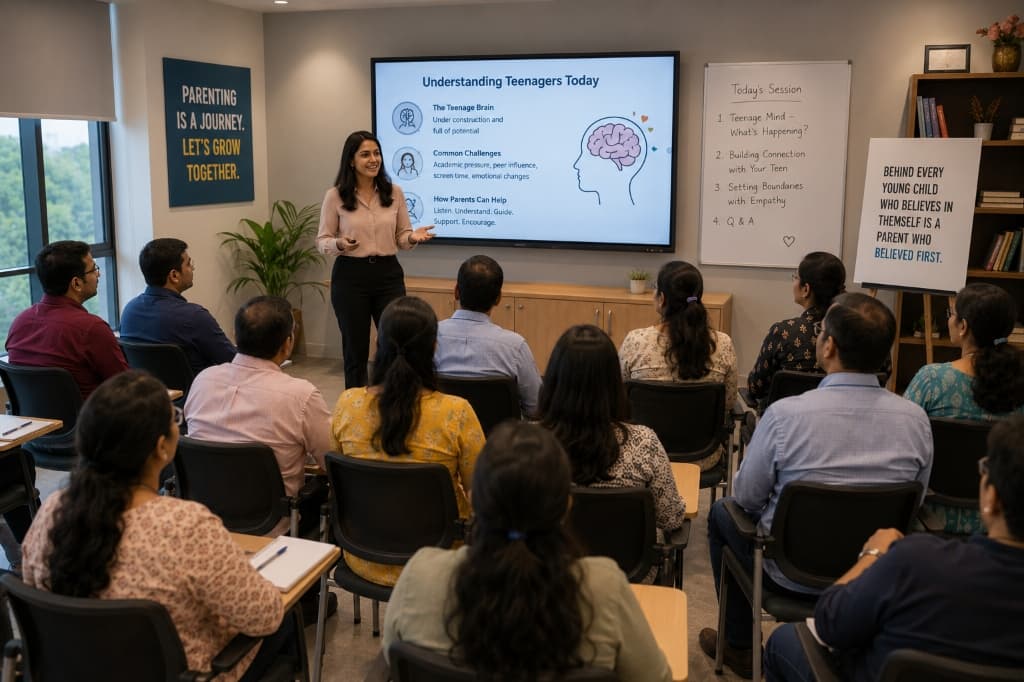
Parenting in the digital age comes with unique challenges. Our expert-led group workshops equip parents with practical strategies to manage academic pressure, screen time, peer influence, and emotional growth.

Our sessions train parents in effective communication

with their kids.

Helping kids with stress and anxiety issues

that affect their daily life.

Managing kids’ career pressure and screen addiction

in a healthy, balanced way.

ROAD MAP: Progress Journey through PARENTS MIND LAB

Parents Mind Lab (Classes 3-5) Roadmap

1Growing Minds

  • Parents learn how children aged 8–10 think, learn and make sense of the world.
  • The session explains why children may reason differently from adults and why mistakes are an important part of learning.
  • It helps parents understand age-appropriate expectations around attention, learning and behaviour.
  • Parents learn how to support curiosity, questioning and independent thinking without over-directing.

2Emotional Strength

  • This session focuses on helping children understand and manage their emotions in healthy ways.
  • Parents learn how to respond to anger, frustration, disappointment, fear and emotional outbursts without immediately dismissing or suppressing them.
  • The focus is on building emotional vocabulary, confidence and resilience from an early age.
  • Parents also learn how their own responses can shape the way children handle difficult emotions.

3Safety & Boundaries

  • Parents learn how to have age-appropriate conversations about body safety, personal space and boundaries.
  • The session covers safe and unsafe touch, privacy, consent and recognising situations that make a child uncomfortable.
  • It also addresses bullying and teaches parents how to recognise changes in behaviour that may signal a problem.
  • The goal is to help children speak up, seek help and understand that their safety comes first.

4Social Skills

  • This session focuses on helping children develop healthy friendships and navigate everyday social situations.
  • Parents learn how to support children through disagreements, exclusion, teasing and peer pressure without solving every conflict for them.
  • The session builds skills such as empathy, cooperation, perspective-taking and respectful communication.
  • Parents also learn when to step in and when to give children the space to resolve age-appropriate problems independently.

5Digital & Values

  • Parents learn how to guide children's growing exposure to smartphones, gaming, social media and online content.
  • The focus goes beyond screen-time limits to include responsible digital behaviour, online safety and healthy technology habits.
  • The session also connects everyday parenting with values such as honesty, empathy, respect, gratitude and responsibility.
  • Parents learn how to model the digital and social behaviours they want their children to develop.

6Positive Discipline

  • This session helps parents move from punishment and repeated instructions towards consistent, constructive discipline.
  • Parents learn how to establish clear expectations, routines and age-appropriate consequences.
  • The session addresses common behaviours such as arguing, lying, refusal, rule-breaking and emotional outbursts.
  • The goal is to develop self-discipline and responsibility, rather than obedience driven by fear or punishment.
Parents Mind Lab (Classes 6-12) Roadmap

1Adolescent Understanding

  • Parents learn what changes during adolescence and why teenagers may behave, think and respond differently from younger children.
  • The session explores developing independence, risk-taking, mood changes and the adolescent need for autonomy.
  • Parents learn to distinguish between developmentally typical behaviour and signs that may require attention.
  • The goal is to replace “Why are they behaving like this?” with a better understanding of the adolescent mind.

2Healthy Communication

  • This session helps parents build communication that keeps teenagers connected rather than pushing them away.
  • Parents learn how to listen without immediately judging, lecturing or trying to solve every problem.
  • The focus is on having difficult conversations around emotions, friendships, academics, technology and personal choices.
  • Parents learn how to become a trusted source of guidance while respecting their teenager's growing independence.

3Safe Boundaries

  • Parents learn how to maintain appropriate boundaries while allowing teenagers increasing freedom and privacy.
  • The session addresses body changes, personal boundaries, consent, healthy and unhealthy relationships and online/offline safety.
  • It also helps parents recognise when normal teenage privacy may be masking a genuine concern.
  • The aim is to create an environment where teenagers understand boundaries and feel safe seeking help.

4Positive Discipline

  • This session focuses on moving beyond punishment, threats and power struggles with teenagers.
  • Parents learn how to establish clear expectations while allowing adolescents to experience appropriate consequences for their choices.
  • The session addresses defiance, lying, rule-breaking and disagreements without damaging the parent-child relationship.
  • The goal is to develop accountability, self-regulation and responsible decision-making rather than obedience through fear.

5Digital Well-being

  • Parents explore how social media, gaming, smartphones and AI can influence teenagers' behaviour, emotions and relationships.
  • The focus goes beyond simply imposing screen-time limits to understanding digital habits, social comparison, cyberbullying and emotional dependence on technology.
  • Parents learn how to create healthy digital boundaries while modelling responsible technology use themselves.
  • The session also equips parents to have open conversations about online risks without making technology a constant source of conflict.

6Future Readiness

  • This session helps parents support teenagers through academic expectations, career choices, board examinations and uncertainty about the future.
  • Parents learn how to distinguish between supporting ambition and creating pressure.
  • The focus is on helping adolescents understand their strengths, make informed choices and gradually take ownership of their future.
  • Parents also learn how to manage their own expectations so that career guidance becomes a source of support rather than anxiety.
Transform Your Child’s Future Today

Empower Minds with
BrainHap Counselling Hub

Whether you are a school principal looking to integrate Mind Lab classrooms or a parent seeking 1-on-1 career and emotional guidance, we are here to support your journey.

50,000+
Students Guided
120+
Partner Schools
100%
IIT-B Association

Book Consultation

Get in touch with our senior psychologists